
"trigonelline benefits"
8900 article(s) found

What are the varieties of coffee, the introduction of common types of coffee, the types and characteristics of coffee
For information, please pay attention to Coffee Workshop (Wechat official account cafe_style) there are more than 500 species and 6000 varieties of coffee trees, most of which are tropical trees and shrubs. There are four main coffee trees in the world, of which only two are of real commercial value and are planted in large quantities, and the quality of the coffee beans produced by other coffee trees is also higher than that of other coffee trees. Common coffee tree species

How many stages are there in coffee roasting on Starbucks' official website?
How many stages are there in coffee roasting on Starbucks' official website? Preheating stage: the bean roaster needs to be heated to a certain extent before baking, which will be different because of the bean roasting mechanism. It is necessary to fully heat the pot to a certain temperature before it can drop the beans. There is no certain criterion for this temperature. It depends on the degree of relationship between the bean roaster and the bean roaster to determine the steaming stage: when the bean is roasted, the coffee begins to be roasted.

Black coffee or white coffee, which is healthier? Which brand of white coffee is good and inexpensive?
Professional coffee knowledge exchange More coffee bean information Please pay attention to coffee workshop (Weixin Official Accounts cafe_style) Black coffee VS white coffee coffee beans baking method decision difference China Medical University new nutrition food generation nutritionist Cheng Mingwei said, Black coffee and white coffee main difference, Is coffee beans baking method different. Most people drink black coffee, roasted coffee beans
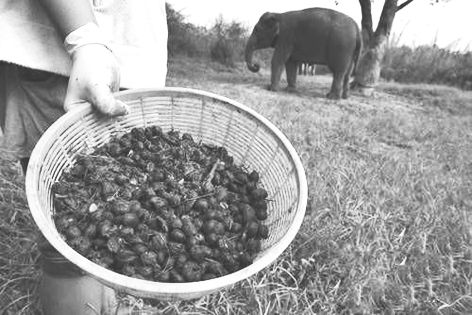
Do cat poop and elephant shit coffee really taste good?
I'm afraid many people are no stranger to coffee, but do you know Kopi Luwak and shit-like coffee? What are their peculiarities? What's the difference in taste? (source: China Science News) Kopi Luwak refers to the raw coffee beans excreted by civets after eating fresh coffee beans and digesting the peel and flesh of coffee berries through their intestines. Freshly picked coffee beans from the outside to

Is cat shit and elephant shit coffee really delicious? What's the difference in taste?
I'm afraid many people are no stranger to coffee, but do you know Kopi Luwak and shit-like coffee? What are their peculiarities? What's the difference in taste? Kopi Luwak refers to the raw coffee beans that the civet eats the fresh coffee beans and digests the peel and flesh of the coffee berries through the intestines. Freshly picked coffee beans include exocarp and pulp from the outside to the inside.
From a scientific point of view, why is Kopi Luwak and Elephant shit Coffee just a hype?
Professional barista communication Please follow the coffee workshop (Wechat official account cafe_style) Coffee is no stranger to many people, but do you know Kopi Luwak and shit-like coffee? What are their peculiarities? What's the difference in taste? Kopi Luwak means that the civet eats the fresh coffee beans and digests the peel and flesh of the coffee berries through the intestines.

What's the best way to drink coffee? Is it true that good coffee is not bitter?
Professional coffee knowledge exchange more coffee bean information please follow the coffee workshop (Wechat official account cafe_style) this is a common question for people who are beginning to be interested in coffee. Would you like some sugar? Can I add milk or cream? Is it better to drink it hot or cold? Coffee books on the market have different answers to this question, some of which are so serious that they seem to be absolutely impossible.

Is coffee like shit really good? Introduction to the origin of coffee like shit how much is a cup of coffee like shit
Professional coffee knowledge exchange more coffee bean information Please follow the coffee workshop (Wechat official account cafe_style) for coffee, I am afraid many people are no stranger to coffee, but do you know Kopi Luwak and shit-like coffee? What are their peculiarities? What's the difference in taste? Kopi Luwak refers to the peel of coffee berries when a civet eats fresh coffee beans through its intestines.

Coffee roasting time and temperature on coffee beans, how to bake non-sour beans?
Professional coffee knowledge exchange more coffee bean information please follow the coffee workshop (Wechat official account cafe_style) coffee taste, that is, the range and quality of sour and bitter taste, aroma intensity and quality, astringent taste, thick strength and some defects in the taste, is the quality of raw beans, roasting is to correctly grasp the possibility of all kinds of raw beans: to what extent can have the best taste
Is the aroma of flowers and fruits of coffee beans determined by roasting? How to flush out the sweetness of coffee
Professional coffee knowledge exchange more coffee bean information Please follow the coffee workshop (Wechat official account cafe_style) when we get a boutique coffee bean, the outer package is always printed with a series of messages: producing area, manor, altitude, variety, roasting degree, flavor and so on. Every kind of information is a measure of coffee and beans.

Do you need sugar and milk to make coffee by hand? how to make black coffee correctly?
Professional coffee knowledge exchange more coffee bean information Please follow the coffee workshop (Wechat official account cafe_style) what is the best way to drink hand-brewed coffee? This is a common question for people who are interested in making coffee at the beginning. Would you like some sugar? Can I add milk or cream? Is it better to drink hot or cool
Coffee flavor consists of three dimensions: aroma, taste and taste.
Coffee flavor includes aroma, taste and taste three dimensions, need to mobilize the sense of smell, taste and touch to experience, for example, the sour, sweet and bitter mentioned in the question are taste, while alcohol involves touch. Han Huaizong's "Fine Coffee" gives a comprehensive and logical introduction to the composition of coffee flavor, which has just been reviewed and transported for your reference.

How does the sour and bitter in coffee come from?
Many thermal and chemical reactions take place during baking: decarbonation, dehydration of quinic acid, subdivision, isomerization, polymerization, and complex sugar reactions (caramelization).

Professional research tells you: coffee cancer or cancer?
Professional barista exchanges please pay attention to coffee workshop (Weixin Official Accounts cafe_style ) Taiwanese drink 2.17 billion cups a year, coffee is listed as a Class 2B carcinogen by the World Health Organization This title must be a shock to all coffee lovers, most people still maintain a skeptical attitude; however, the idea or practice of fighting cancer or preventing cancer by only one food is not
The basic chemical reaction of coffee roasting process
Many thermal and chemical reactions take place during baking: decarbonation, dehydration of quinic acid, subdivision, isomerization, polymerization, and complex sugar reactions (caramelization). The main components of the thermal reaction are monosaccharides and sucrose, chlorogenic acid, free amino acids, and fenugreek amide. Both aravinose and calactose in the polysaccharides are transferred, and the basic vulcanization contains hydroxylated amino acid.
The basic chemical reaction that takes place during coffee roasting.
Many thermal and chemical reactions take place during baking: decarbonation, dehydration of quinic acid, subdivision, isomerization, polymerization, and complex sugar reactions (caramelization). The main components of the thermal reaction are monosaccharides and sucrose, chlorogenic acid, free amino acids, and fenugreek amide. Both aravinose and calactose in the polysaccharides are transferred, and the basic vulcanization process includes hydroxylamine.

The basic chemical reactions that take place during coffee roasting
Many thermal and chemical reactions take place during baking: decarbonation, dehydration of quinic acid, subdivision, isomerization, polymerization, and complex sugar reactions (caramelization). The main components of the thermal reaction are monosaccharides and sucrose, chlorogenic acid, free amino acids, and fenugreek amide. Both aravinose and calactose in the polysaccharides are transferred, and the basic vulcanization process includes hydroxylamine.

Basic chemical reactions of coffee beans during coffee roasting
Many thermal and chemical reactions take place during baking: decarbonation, dehydration of quinic acid, subdivision, isomerization, polymerization, and complex sugar reactions (caramelization). The main components of the thermal reaction are monosaccharides and sucrose, chlorogenic acid, free amino acids, and fenugreek amide. Both aravinose and calactose in the polysaccharides are transferred, and the basic vulcanization process includes hydroxylamine.

The basic chemical reactions that take place during coffee roasting
Many thermal and chemical reactions take place during baking: decarbonation, dehydration of quinic acid, subdivision, isomerization, polymerization, and complex sugar reactions (caramelization). The main components of the thermal reaction are monosaccharides and sucrose, chlorogenic acid, free amino acids, and fenugreek amide. Both aravinose and calactose in the polysaccharides are transferred, and the basic vulcanization process includes hydroxylamine.

The basic chemical reactions that take place during coffee roasting.
Many thermal and chemical reactions take place during baking: decarbonation, dehydration of quinic acid, subdivision, isomerization, polymerization, and complex sugar reactions (caramelization). The main components of the thermal reaction are monosaccharides and sucrose, chlorogenic acid, free amino acids, and fenugreek amide. Both aravinose and calactose in the polysaccharides are transferred, and the basic vulcanization process includes hydroxylamine.